Accessing Compassionate Venous Ulcer Treatment in Clinton, NJ
A venous ulcer can feel discouraging when you care for it at home, yet it barely changes. When you begin looking for venous ulcer treatment in Clinton, NJ, it helps to understand how, oftentimes, these wounds are associated with underlying circulation problems.
Research shows venous disease is responsible for up to 70% of lower-leg ulcers. That pressure beneath the skin slows healing, no matter how well you manage dressings at home.
At The Vein Institute of Hunterdon, we examine both the wound and the vein issue driving it, then build a plan that gives you a clearer path toward recovery.
What Is a Venous Ulcer?
A venous ulcer is a sore, usually on the lower leg or ankle, that does not heal the way a typical cut does. The root problem is often venous insufficiency: Leg veins struggle to push blood back toward the heart, so blood pools, pressure rises, and the skin gradually breaks down.
Diagnosis matters because not every leg wound is purely venous. In addition to examining the ulcer and checking for swelling or skin changes, providers may use a duplex ultrasound to evaluate blood flow and an ankle-brachial index to screen for arterial disease.
Symptoms of a Venous Ulcer
If you are considering venous ulcer treatment in Clinton, NJ, watch for signs that point to venous pressure and skin damage, plus red flags for infection:
- A shallow sore with uneven edges and a red or yellow base
- Darkened skin around the wound, or skin that feels tight or hard
- Aching, heaviness, or a tired feeling in your lower leg
- Swelling that worsens after you sit or stand too long
- Itching or burning near the sore
Signs of infection to take seriously include:
- Bad odor
- Pus or thick drainage
- Redness or warmth around the ulcer
Early evaluation is important. The longer pressure and inflammation stay active, the harder healing can become.
Comprehensive Venous Ulcer Treatment in Clinton, NJ
Modern care works best when it treats the wound and the “why” behind it. That is the heart of our venous ulcer treatment in Clinton, NJ: heal the skin, then reduce the pressure that caused the breakdown in the first place.
Specialized Wound Care
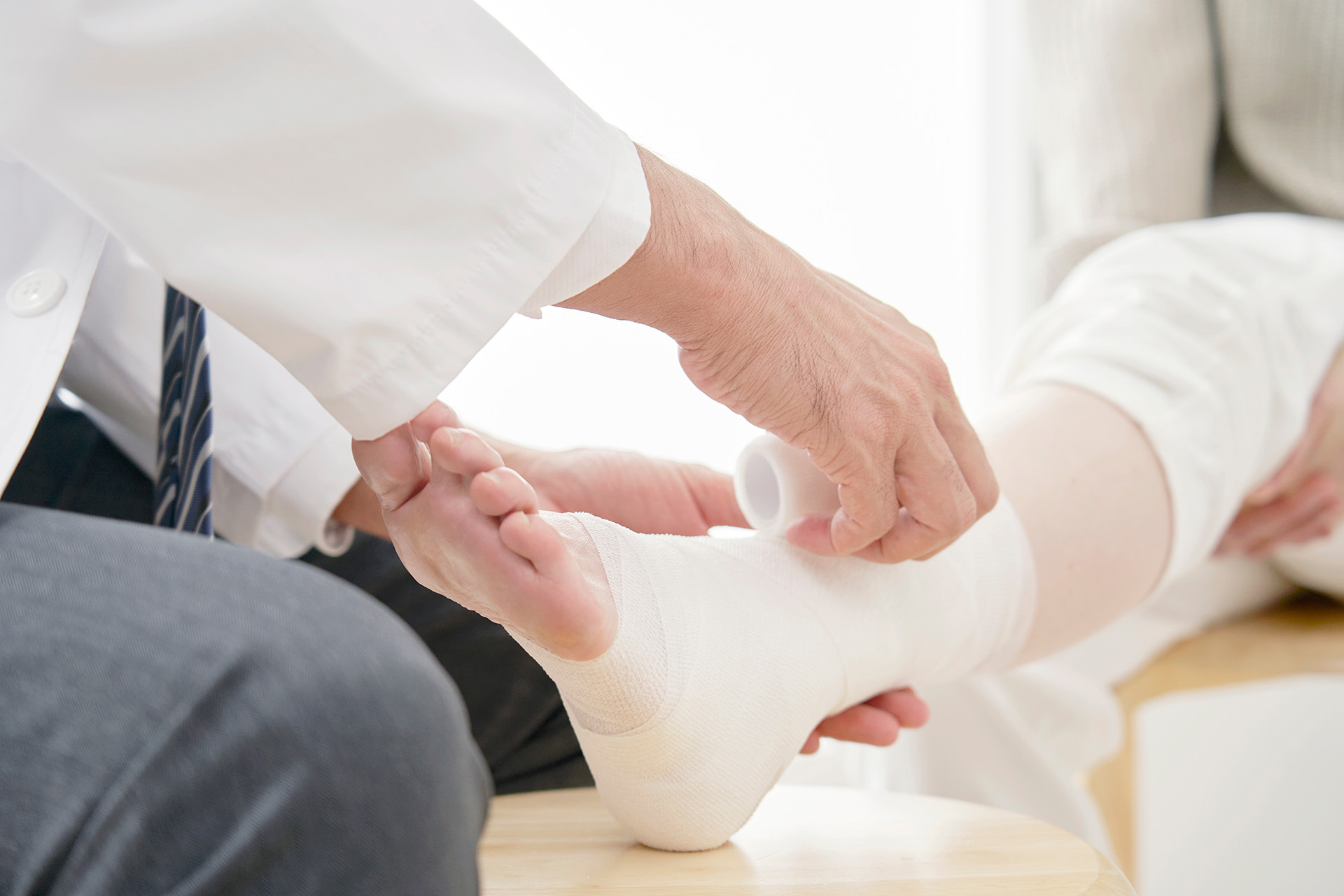
Wound care starts with simple principles: keep the area clean, shield it from friction, and use dressings that help the skin stay stable while it rebuilds. At our practice, that often means changing the dressing a few times a week and choosing materials that protect the wound without drying it out.
Compression Therapy
Compression supports blood flow and reduces swelling, which helps new skin form. A Cochrane review found compression bandages or stockings likely help ulcers heal faster, and increase the chance of complete healing within 12 months compared with no compression.
Lifestyle & Leg Care
Elevating your legs, walking or doing gentle leg exercises, and avoiding long stretches of sitting or standing in one place all support circulation.
Treating the Source (Underlying Vein Issues)
If an ulcer stalls, closing or removing problem veins may be part of your plan, which can reduce the chance of recurrence. Options may include vein ablation (such as EVLT laser ablation or radiofrequency ablation) and sclerotherapy, depending on what your ultrasound shows.
Why Seek Treatment at The Vein Institute of Hunterdon?
When you choose venous ulcer treatment in Clinton, NJ, you want compassion, expertise, access, and a plan that is not just “cover it and wait.” We aim to combine careful evaluation, evidence-based compression guidance, and vein-focused options when needed, so you are not stuck in a cycle of temporary improvement.
We are located in Clinton, NJ, at 1738 Route 31, Suite 110 (the same building as the Hunterdon Health & Wellness Center). If you are ready for venous ulcer treatment in Clinton, NJ, call (908) 788-0066 to schedule your visit and talk through next steps with our team.